Old Shots, New Press:
How to Keep Submitting
Legally
April 2026
Photography & Industry
12 min read
What every photographer must have in place before the shutter clicks and why it matters years down the road.
Older images don't have to sit in a folder collecting digital dust.
Some of the most valuable work you'll ever shoot is work you did a year ago, or two years ago. Images that didn't have a home yet, or that you simply weren't ready to submit. The ability to revive that work and place it in print and digital publications is one of the most underutilized skills in a photographer's toolkit.
But here's the catch: your ability to use that work later depends entirely on what you had in writing when you shot it.
That's what this post is about. Not just contracts as a formality but contracts as the legal foundation that protects your work, your model's image, and your ability to build a career through ongoing publication placements. If you get this right at the start, the value of a single shoot multiplies for years.
A real example:
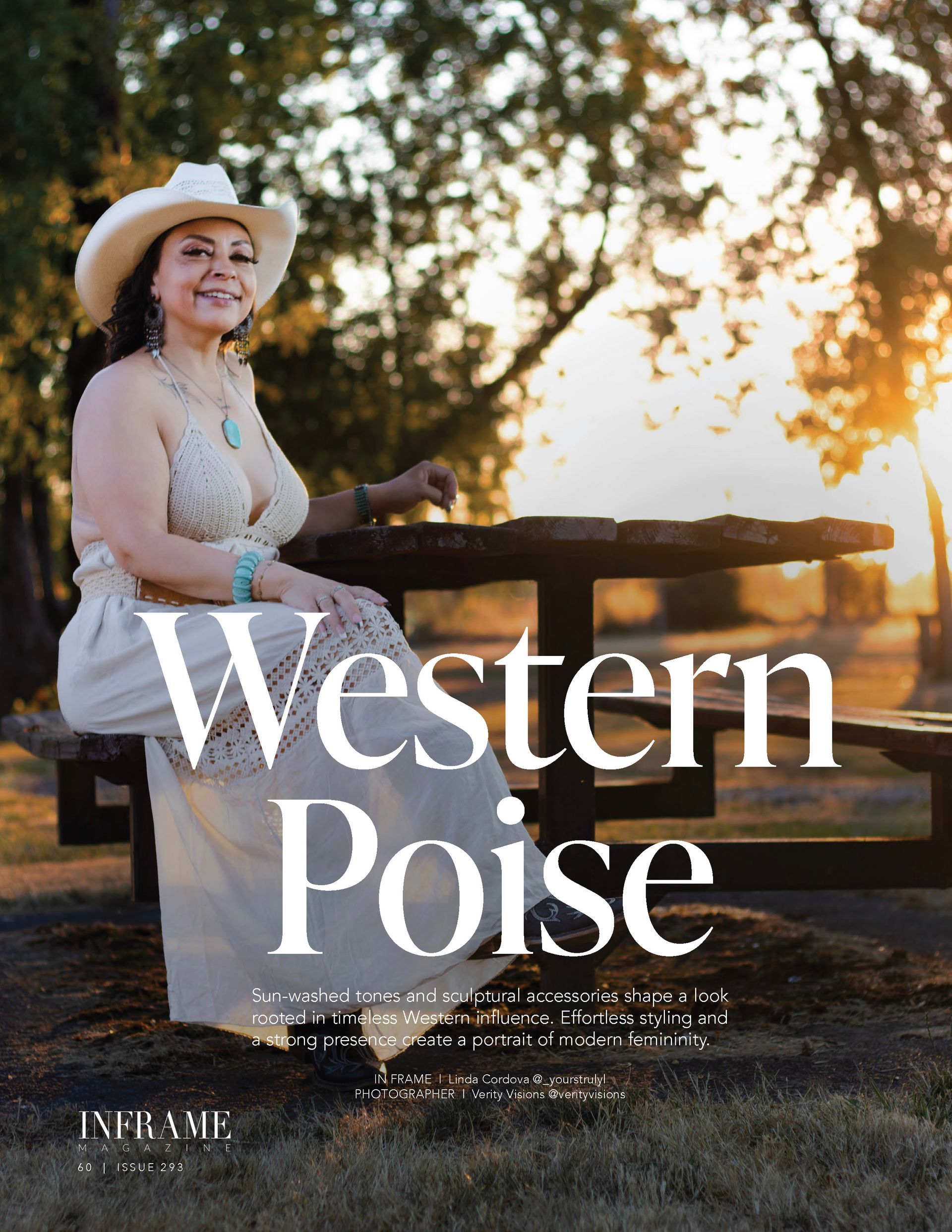
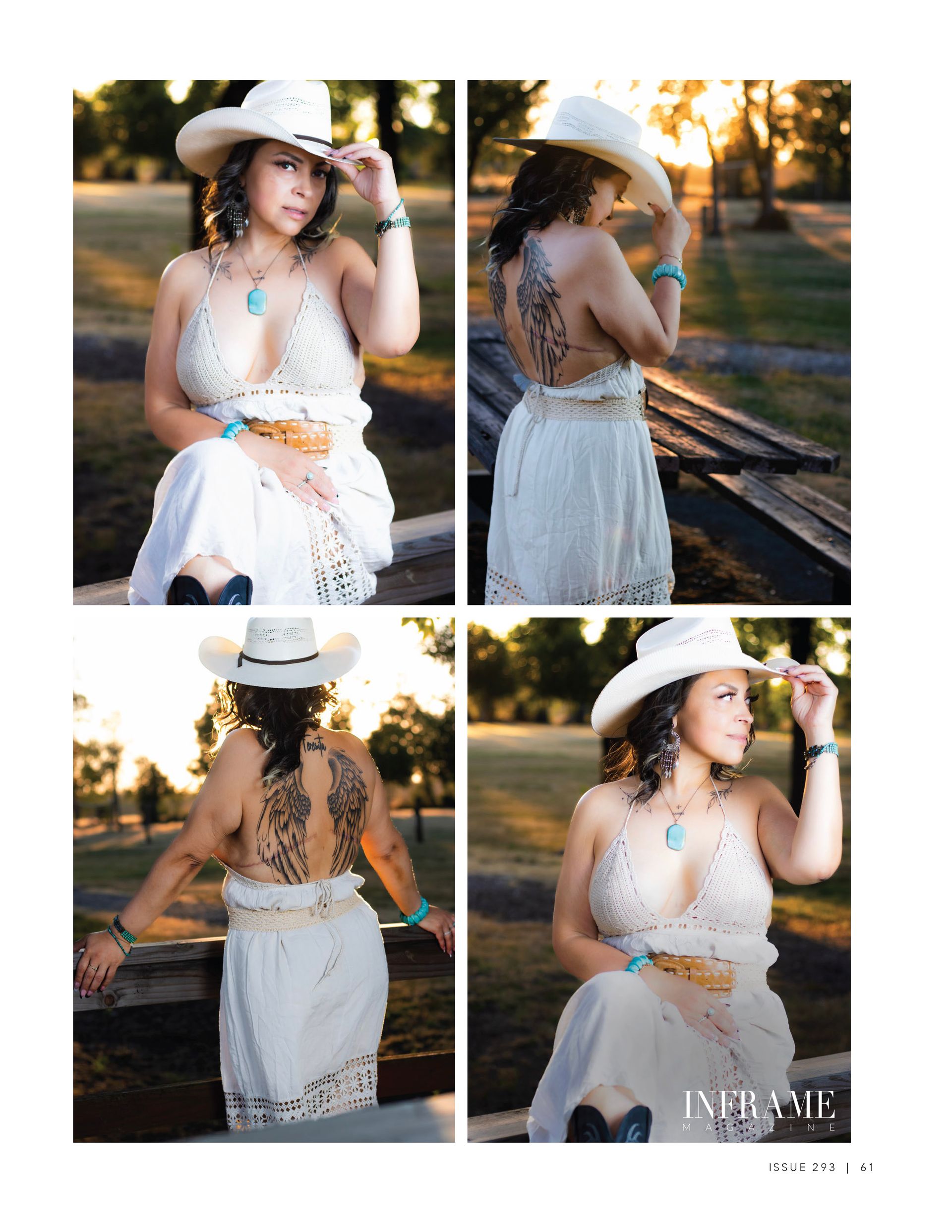
Linda Cordova featured in Inframe Magazine for April 2026
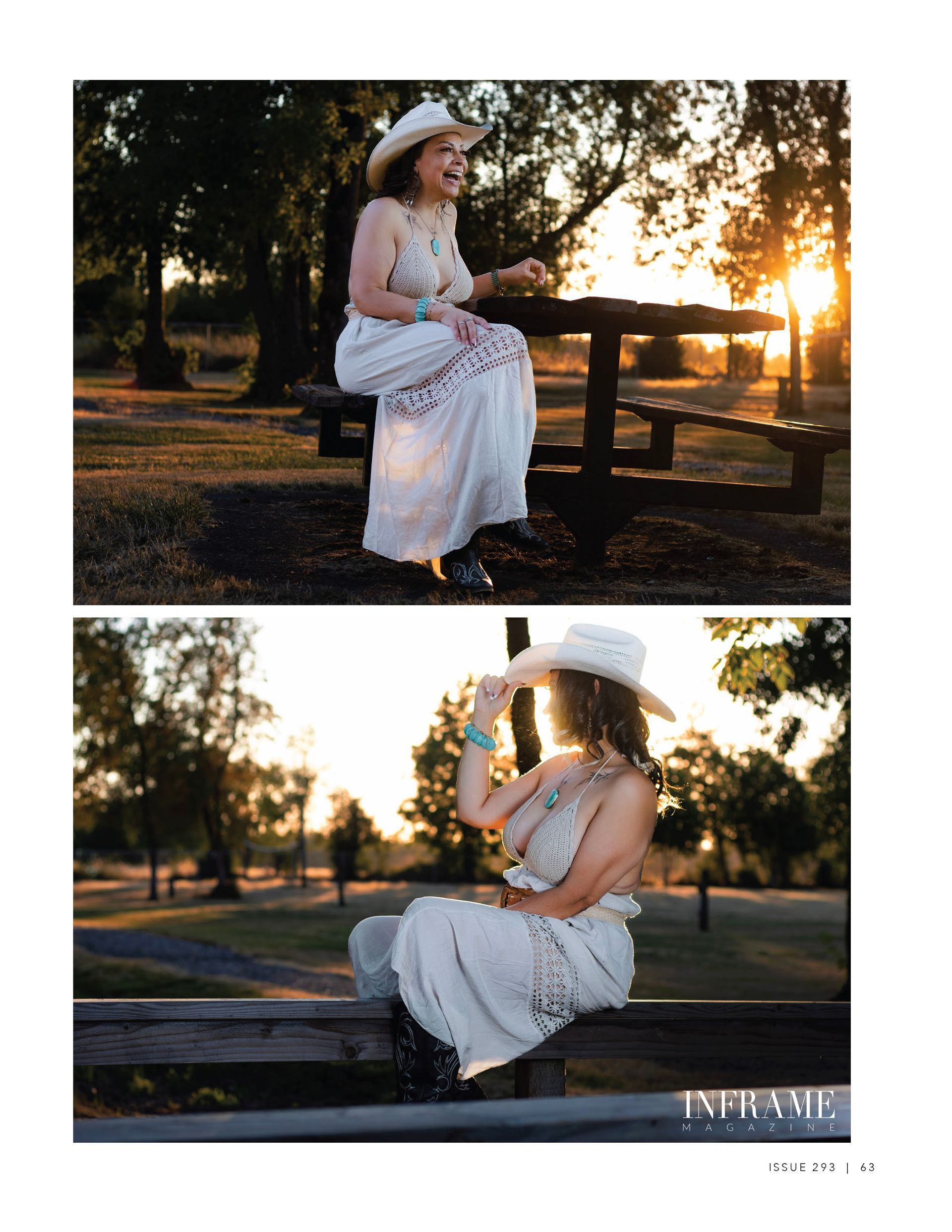
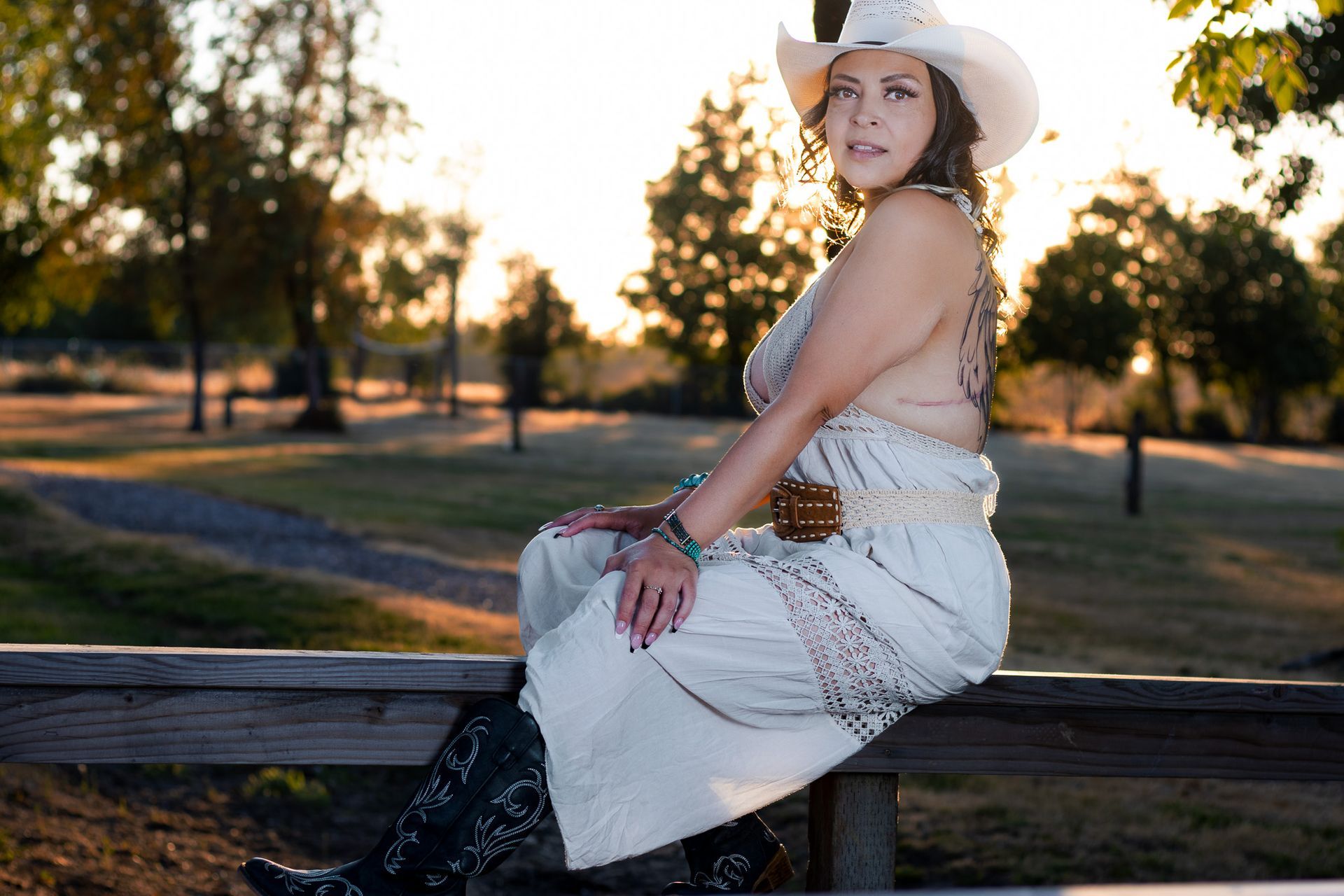
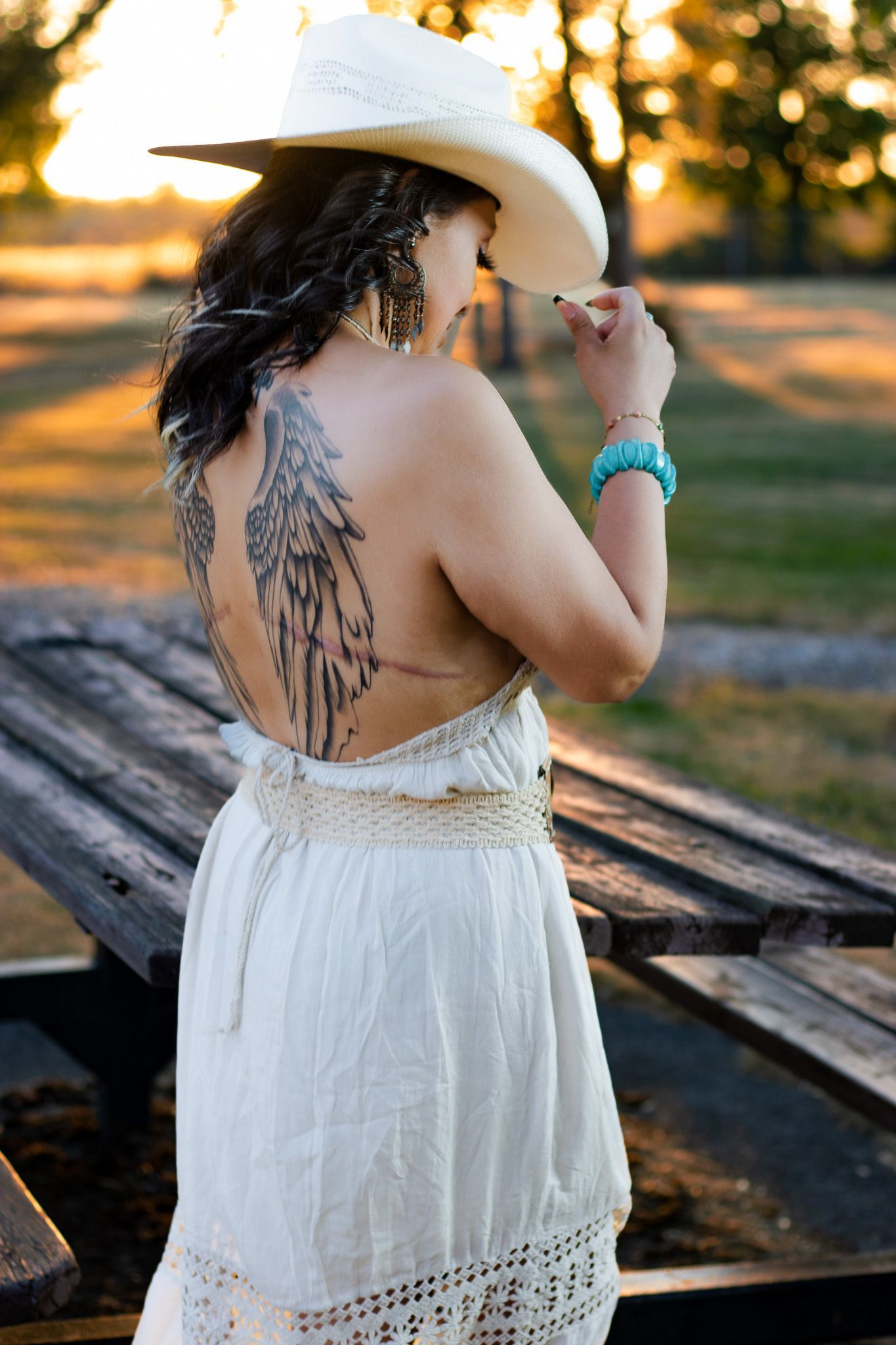
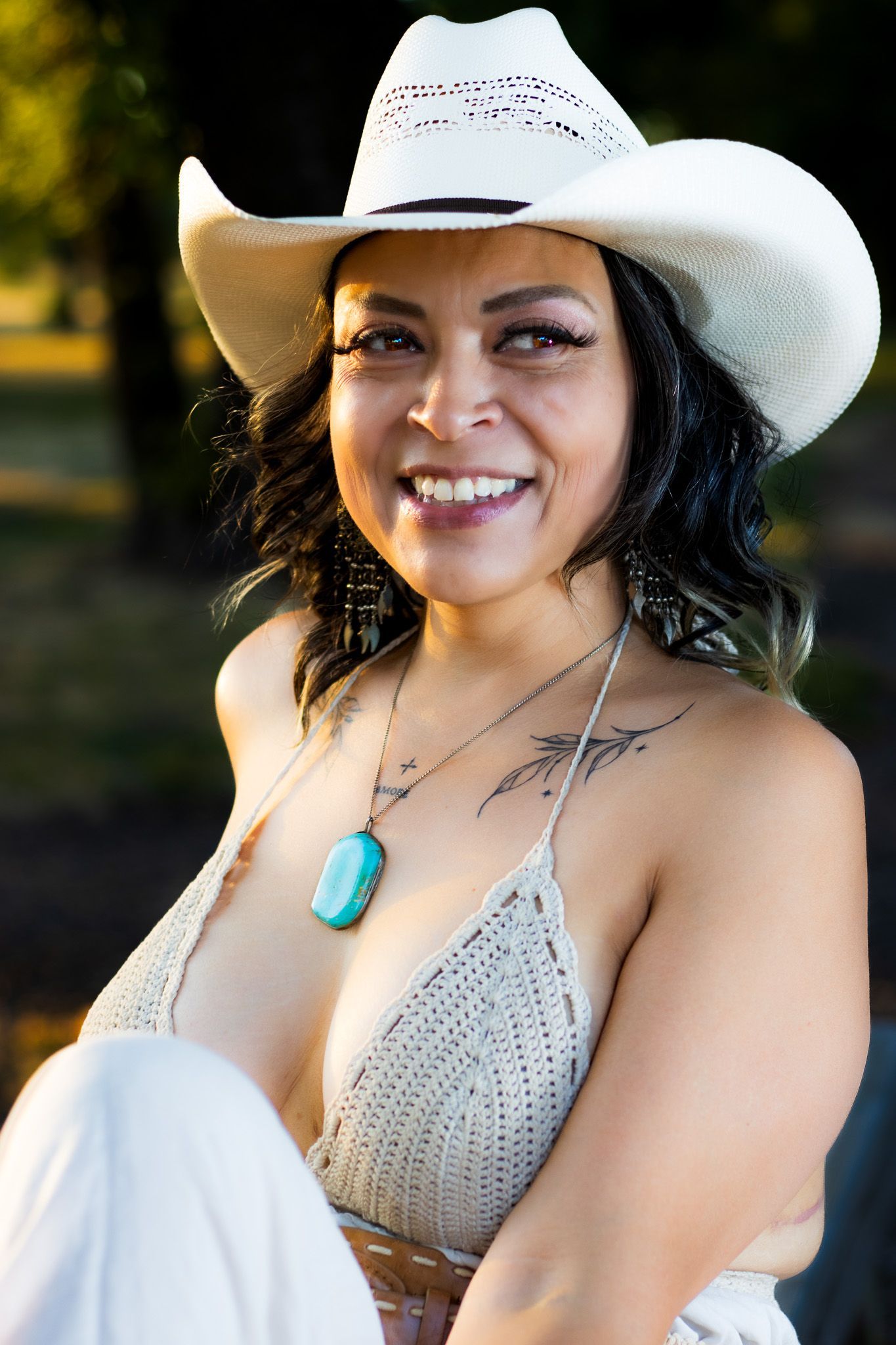
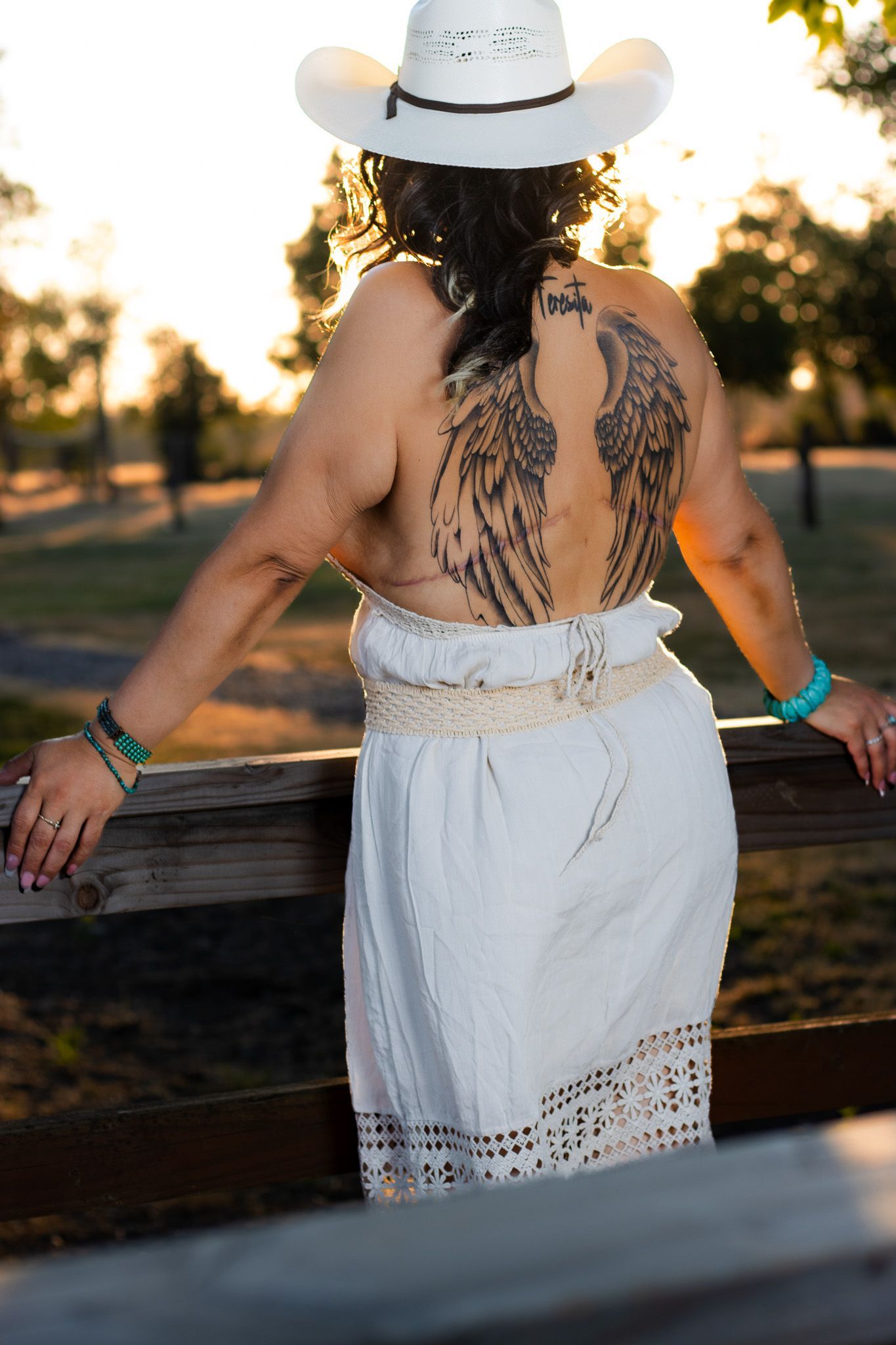
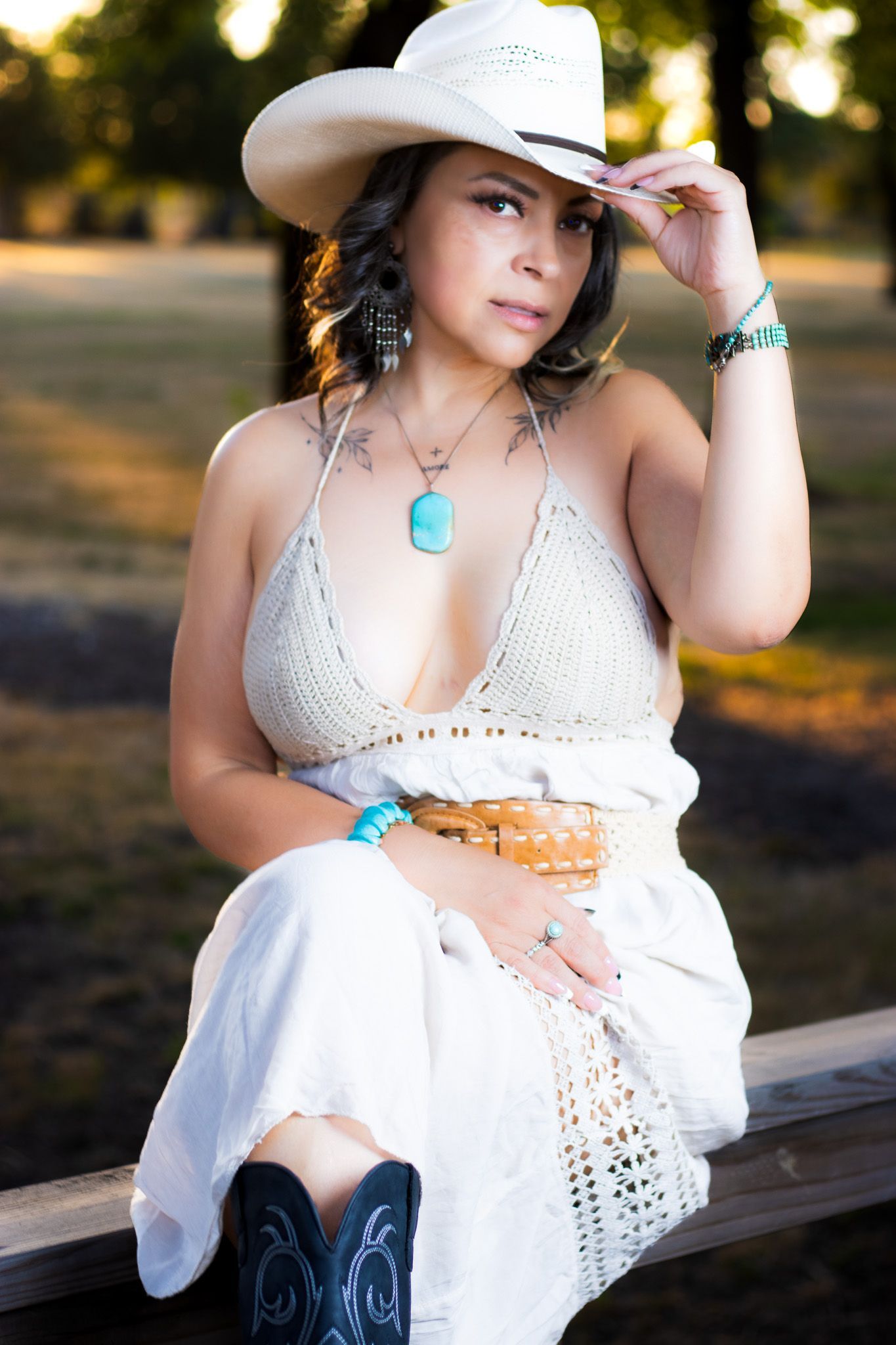
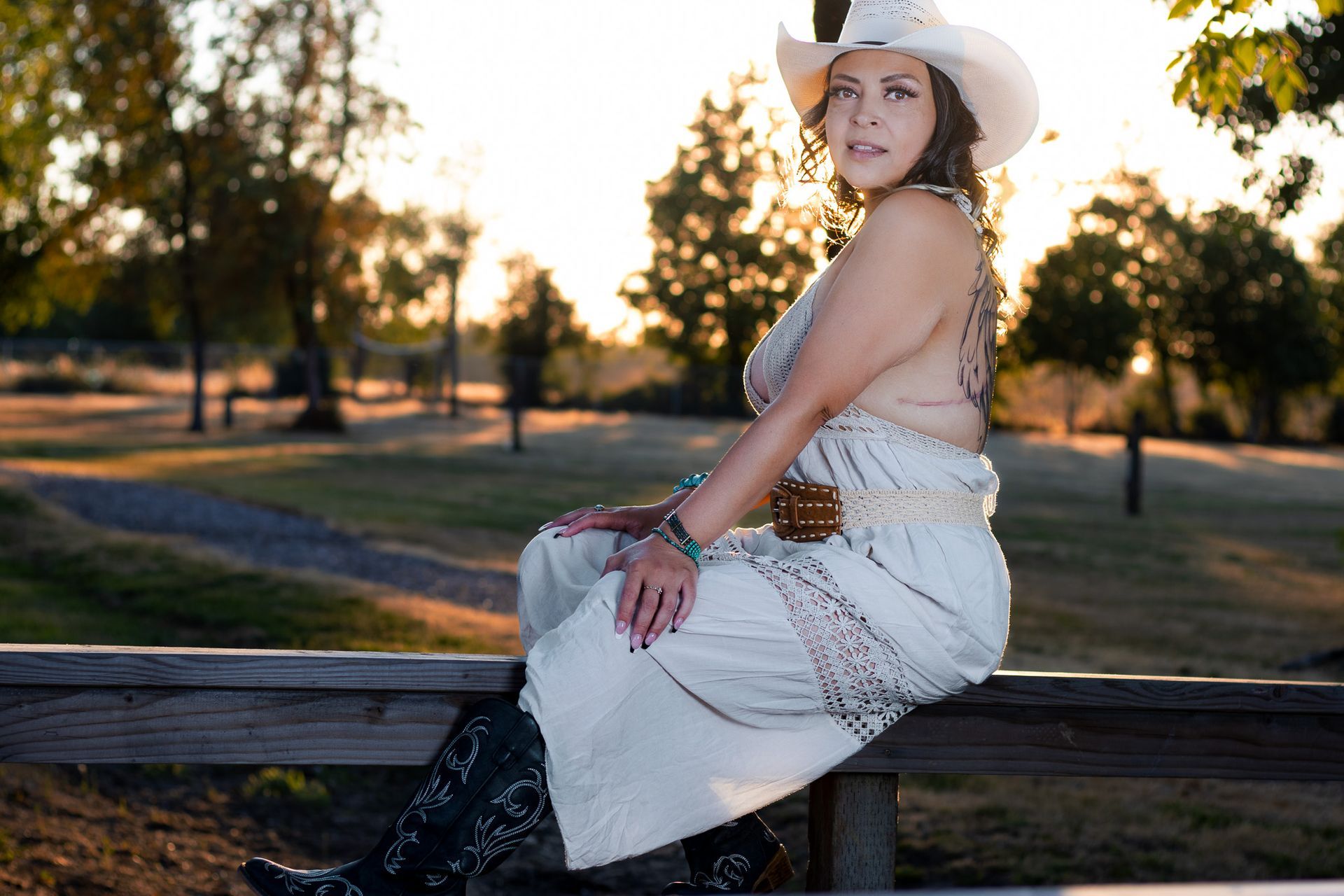
Earlier this month, images I shot with model Linda Cordova appeared in the April 2026 issue of Inframe Magazine. These were not new images. They were shot last year during a golden hour session, lit with a single strobe.
A deceptively simple setup that produced publication-ready results.
The reason those images can continue generating publication credits... new editorial placements, new bylines, new exposure for both photographer and model is because the legal groundwork was in place from day one.
I had what I needed. I could submit freely, without hesitation, and without having to go back to anyone for permissions that should have been secured at the shoot.
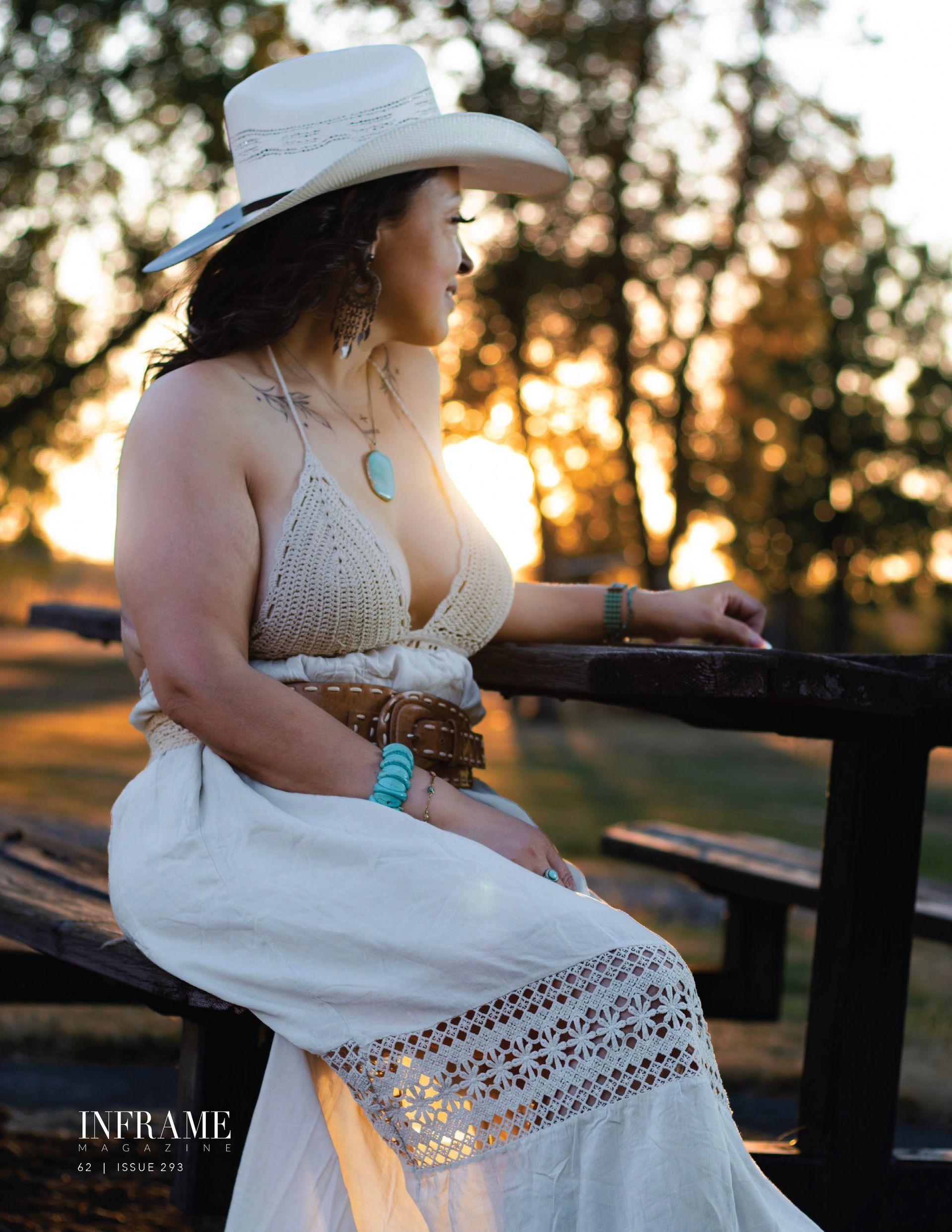
Golden hour, one strobe. Submitted and placed over a year later because the paperwork was right from the start.
"The shoot ends. The legal work it depends on started before you ever picked up the camera."
Verity Visions
Why photographers skip contracts and why that's a costly mistake.
Most photographers who skip contracts aren't being reckless. They're being trusting. The model was a friend, the session felt casual, the vibe was collaborative. A contract felt stiff or overly formal for the moment.
But feelings at the shoot don't hold up in a dispute. And the scenario where things go sideways is more nuanced than most people imagine. It's rarely dramatic.
It usually looks like this: you submit images to a publication six months later, the magazine picks them up, and then after the images are already in print or distributed digitally, the model decides she doesn't want those images used anymore. Maybe her circumstances changed. Maybe she's uncomfortable with how the images were styled. Maybe she just changed her mind..
Here's what most photographers don't realize: once those images are with a magazine and no clear model release exists, the dispute is no longer between just you and the model. The magazine is now involved. Their legal team is involved. And you, the photographer who submitted the work are the one holding the liability.
This is also where some publications, particularly those dealing with newer photographers who don't know their rights, can take advantage of ambiguity. Without clear documentation showing you had proper releases, you're negotiating from a weak position. The magazine holds the images, you have no leverage, & the model has a grievance while you're stuck in the middle with no paper to stand on.
The two documents you need: every single time
There is a meaningful legal distinction between two types of agreements that photographers often collapse into one or ignore entirely. Both are necessary. Neither replaces the other.
Document 1:
The Shoot Agreement / Photography Release
- This document establishes that the model has given informed, voluntary consent to be photographed and/or recorded during the session. It confirms that they knew they were being photographed obvious in person, but legally meaningful in writing.
- It should specify the date, the nature of the shoot, and whether video or behind-the-scenes recording was included. Video content is increasingly common in behind-the-scenes reels, social content, and editorial packages and requires its own explicit consent.
- Without this: a model could later claim they did not knowingly consent to being photographed in a commercial or published context regardless of how present and willing they appeared at the time.
Document 2:
The Model Release / Likeness Agreement
- This is the document that governs what you can do with the images after the shoot. It grants you the right to use the model's likeness, their face, their image, their appearance for specific purposes, in specific contexts, across specific timeframes.
- A well-written model release will cover editorial use, portfolio display, print and digital publication submission, and social media. The more comprehensive it is, the more flexibility you have when submitting to different markets over time.
- Critically, this document should address what happens if the model later withdraws consent. Many releases include a clause making grants irrevocable for work already published which protects both parties from disputes that arise after the fact.
- Without this: you have no documented right to use the model's likeness in publication. Submitting to magazines without it puts you, and the publication, in legally exposed territory.
What the law actually says
In the United States, the right of publicity (an individual's right to control commercial use of their name, image, and likeness) is governed at the state level. Most states recognize this right, and some like California, New York, Tennessee have particularly strong protections. A model's likeness is their intellectual property in a meaningful legal sense, and using it without written consent in a commercial or published context can expose a photographer to civil liability.
Even in editorial photography which carries more First Amendment protection than commercial work, a signed model release removes ambiguity and shifts the legal posture entirely. Publications increasingly require proof of a release before accepting work for print. The more reputable the outlet, the more likely they are to ask. Having documentation ready is part of being a professional that magazines want to work with repeatedly.
In the UK, EU, and many other jurisdictions, GDPR and similar data protection laws add another dimension: a person's image may constitute personal data, and using it requires a lawful basis- often, explicit consent. A properly executed model release serves this function internationally as well.
"The contract isn't about distrust. It's about clarity.. protecting both people in the room so the work can live beyond the room."
Verity Visions
How to approach this conversation with models
Many photographers dread this part. They worry the model will feel uncomfortable, or that introducing paperwork will disrupt the creative energy of the collaboration. In practice, the opposite is true. When you present contracts professionally, as a standard part of your process, not a reaction to distrust - it signals to a model that you are serious, that you protect the people you work with, and that you understand the industry.
Models who have worked in the industry know that reputable photographers have paperwork. The absence of a contract is often a red flag in the other direction.. it suggests the photographer either doesn't know what they're doing, or isn't planning to do anything meaningful with the images. A clear, fair contract communicates credibility.
Send documents in advance. Give models time to read, ask questions, or request adjustments. Never present contracts at the shoot location as a condition of starting, that's coercive, and it undermines the voluntary nature of the consent you're trying to document. Paperwork should be complete before anyone is in front of a lens.
The long game:
Why this matters for older content
Publication submissions are rarely a single moment. A strong image might be suitable for one outlet this year and a different one two years from now. Your portfolio evolves. Magazines change their aesthetic. Markets open up. The same images that didn't land at one publication may be exactly right for another later on.
If your paperwork only covers a narrow window, or makes assumptions about how the images will be used, you'll find yourself returning to models for new permissions.. or, worse, not being able to submit at all because the legal clarity isn't there. The photographers who are able to continuously build publication credits from existing work are the ones who shot it right the first time. That means broad, clearly written releases that account for ongoing editorial use.
This is exactly the position the Linda Cordova shoot is in. Images from last year are generating new credits, new placements, new exposure in 2026 because the foundation was laid properly at the time of the shoot.
Work with Verity Visions
Build your portfolio.
Get published.
If you're a model looking to grow your portfolio with images that are actually positioned for publication, not just new images for your socials....head over to the services page. There's an offer designed specifically for you: professional content in a protected, professional framework, with a real pathway to editorial placement.
Legacy Letters